How to Pick the Right Outfitter and Red Flags to Watch For
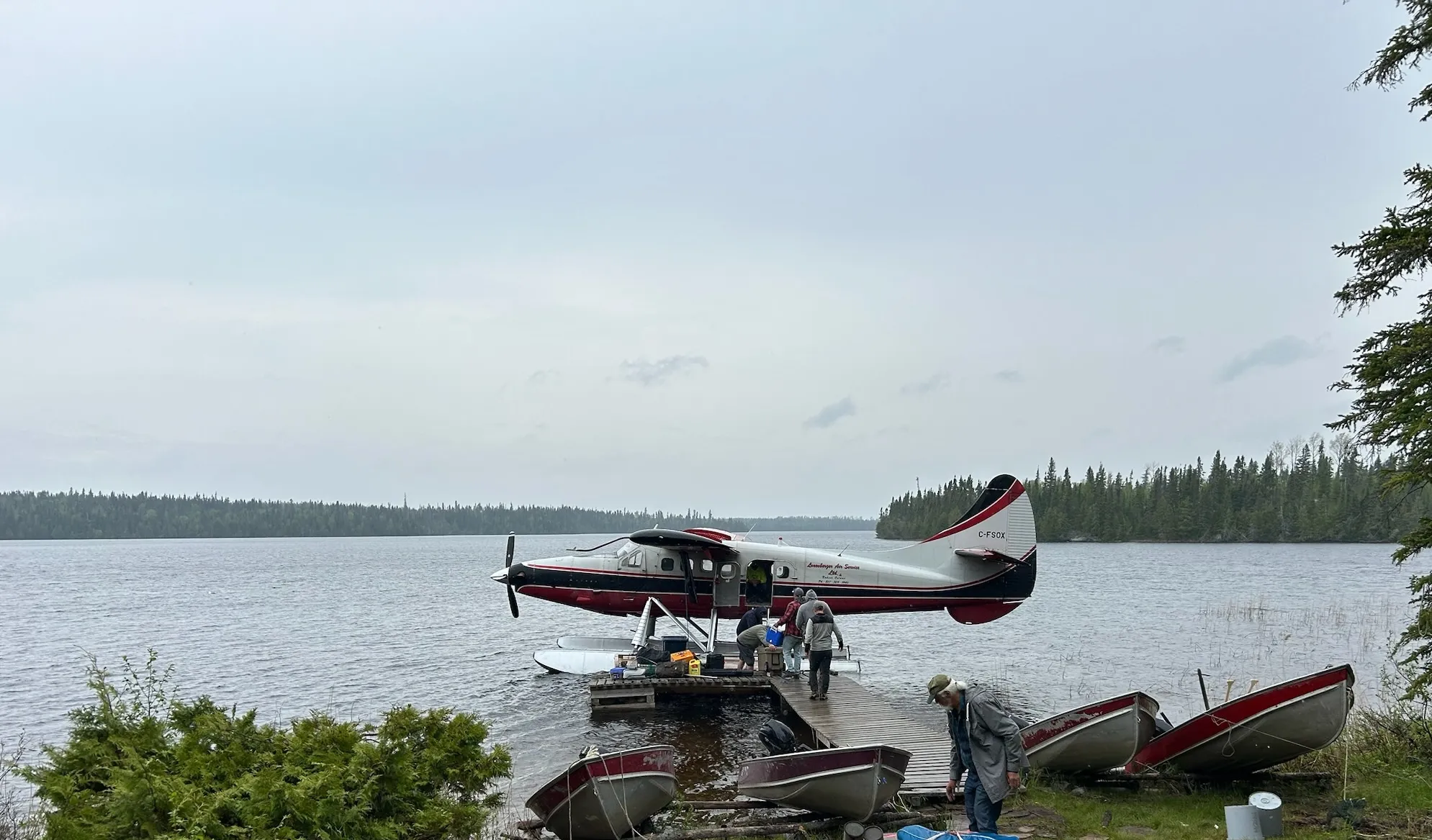
You’ve spent years talking about it. You’ve finally got the crew on board, the dates are circled on the calendar, and the dream of a Canadian fly-in fishing trip is becoming a reality. The only thing standing between you and a remote lake full of hungry walleye and aggressive pike is choosing the right outfitter. Make no mistake, the outfitter you choose will make or break your trip. You are handing over your hard-earned money and your precious vacation days, and trusting someone to fly you into the wilderness. How do you separate the world-class operations from the ones you should avoid? It takes a little digging. Remote fly-in lakes are stuffed with fish, but finding the right camp requires a strategy. Here is your guide to picking the right outfitter for your crew, along with the red flags that should send you running.
1. Match the Outfitter to Your Group
Before you start interrogating outfitters, you need to know exactly what you want. The best outfitter in Canada won’t make you happy if they specialize in self-guided outpost camps and your group is looking for fully guided days and five-course meals.
- What are you chasing? Do you want 100-walleye days, are you hunting a 40-plus-inch trophy pike, or do you want to target the elusive brook trout? Most outfitters excel at one or two species.
- What is your comfort level? Are you comfortable running boats, cooking your own meals, and dealing with remote wilderness, or do you want a full-service lodge with hot showers and a dining hall?
- What is the budget? Be realistic about what everyone in your group can comfortably spend, keeping in mind travel costs to the floatplane base, taxes, and tips.
2. Do the Deep Dive
Once you have a shortlist of outfitters that match your criteria, it’s time to do your homework. A shiny website with a few pictures of massive fish is easy to build. A reputation for safety, reliability, and incredible fishing takes decades to earn.
- Read the Reviews: Look beyond the testimonials on their own site. Check Google, Facebook, and independent fishing forums. Read the reviews and look for details behind the rating. Pay attention to how the outfitter responds to criticism. A defensive, angry response to a bad review tells you exactly how they handle conflict. Look closely at newer reviews...sometimes an outfitter's service level changes over time.
- Call and Talk to Them: You can tell a lot by a phone call. Are they eager to talk fishing and answer your questions, or are they rushing you off the phone? An outfitter who is passionate about their fishery will want to make sure you are a good fit for them, too.
3. Ask the Hard Questions
When you get them on the phone, don’t just ask what lures to bring. You need to dig into the logistics.
- Who owns and operates the aircraft? Some outfitters own their own planes, while others charter flights. Both work, but you need to know who is responsible for getting you in and out, and what their safety record looks like.
- What is the backup plan for bad weather? Weather delays happen. Does the outfitter cover your extra night in town, or are you on your own? What happens if you are stuck at the outpost for an extra day?
- How and how often do you check on camp? If you are at an outpost, you need to know if they do mid-week check flights to drop off ice, pick up trash, and make sure your motors are running smoothly.
4. Red Flags to Watch For
When you are miles from civilization, a broken boat motor isn’t a minor inconvenience, it can ruin your day. Watch out for these warning signs before you put down a deposit.
- Vague Pricing: If an outfitter can’t give you a clear, itemized list of what is included and what isn’t, walk away. Hidden fees for flight weight overages, parking, overnight stays, or bait can destroy a trip budget.
- Poor Communication: If it takes them a week to return an email when they are trying to earn your business, imagine how responsive they will be when you are sitting in a cabin with a broken water pump.
- Old or Undisclosed Equipment: You are relying on their boats and motors. Ask what year and horsepower their outboards are. If they dodge the question, or if their website photos look like they were taken with a disposable camera in 1998, that’s a massive red flag.
- Public Access Waters: You are paying a premium to fly in for seclusion. If the outfitter’s lake has a logging road running to it, or a public boat launch, you aren’t getting a true remote wilderness experience.
5. The Green Flags
On the flip side, there are a few surefire signs that you’ve found a winner.
- Safety First: They proudly discuss their aircraft maintenance, pilot experience, and emergency protocols. They provide Starlink internet, satellite phones or Garmin inReach devices at their outposts.
- Detailed Lake Knowledge: The outfitter should know their water intimately and be able to tell you exactly where the walleye transition in late July, or which back bays hold the biggest pike in the spring.
- Conservation Minded: Great outfitters protect their fisheries. Look for strict catch-and-release policies on trophy fish and a focus on eating only the smaller fish for your shore lunches.
Final Thoughts
Booking a fly-in fishing trip is a major commitment, but doing the legwork upfront guarantees that your only worry once you land is landing lots of fish. A great outfitter is a partner in your adventure, handling the logistics, providing reliable gear, and ensuring your safety so you can focus entirely on the water.
As the floatplane takes off and fades over the tree line leaving you in solitude, you want to be able to focus on the experience…that’s what you're paying for. Take the time to find an outfitter who can deliver it. Get your crew together, ask the hard questions, put down that deposit, and start planning your dream trip.
Search Blog
- What Fishing Pressure Looks Like on Road Access Lakes vs Fly-In Lakes August 01, 2026
- Trophy Pike: How to Find and Land a Northern Over 40 Inches June 06, 2026
- Brook Trout in the Backcountry: Chasing Specks on Fly-In Waters January 03, 2026
- How to Catch 100 Walleye in a Day November 22, 2025
- How to Quickly Locate Fish on a Remote Lake October 11, 2025